Rising absences. School refusal. Behaviour that leaves staff stretched thin. You already know the need is there — what you need is someone qualified, embedded, and consistent to hold it. We become your school's in-house social and emotional therapist, working inside your school, not parachuted in for a term and gone.
Schools we work with
We provide a qualified therapist who works with children and young people aged 5–18 — embedded in your school, familiar to your students, and part of your community.
Not a drop-in. Not a rota. One consistent, qualified therapist working regularly in your school so students build real trust.
We work with primary-age children through to sixth form, using approaches that meet each child where they are.
The issues your staff are seeing every day — we're trained to work with them, so your teachers don't have to carry it alone.
Supporting students navigating social difficulty, friendship breakdowns, and the emotional weight of being excluded or targeted.
Where appropriate, we bring families into the work — helping parents understand what their child is experiencing and how to support them at home.
Every practitioner is DBS-checked, trained in safeguarding, and works within your school's existing framework — escalating when it matters.
"Having Tea of Therapy embedded in our school has genuinely changed the culture. Students feel safer, staff feel supported, and we have the data to prove it works. I wouldn't go back to how things were."
Every school is different. We take time to understand yours before we place anyone in it.
A free consultation where we talk through your student need, current provision, and what you're hoping to change. No pressure, no pitch.
We place a qualified therapist who fits your school's culture, student age range, and presenting needs — not just whoever is available.
They attend regularly, build relationships with staff, and see students consistently — so the support is real, not a gesture. We review with you termly and adjust as needs change.
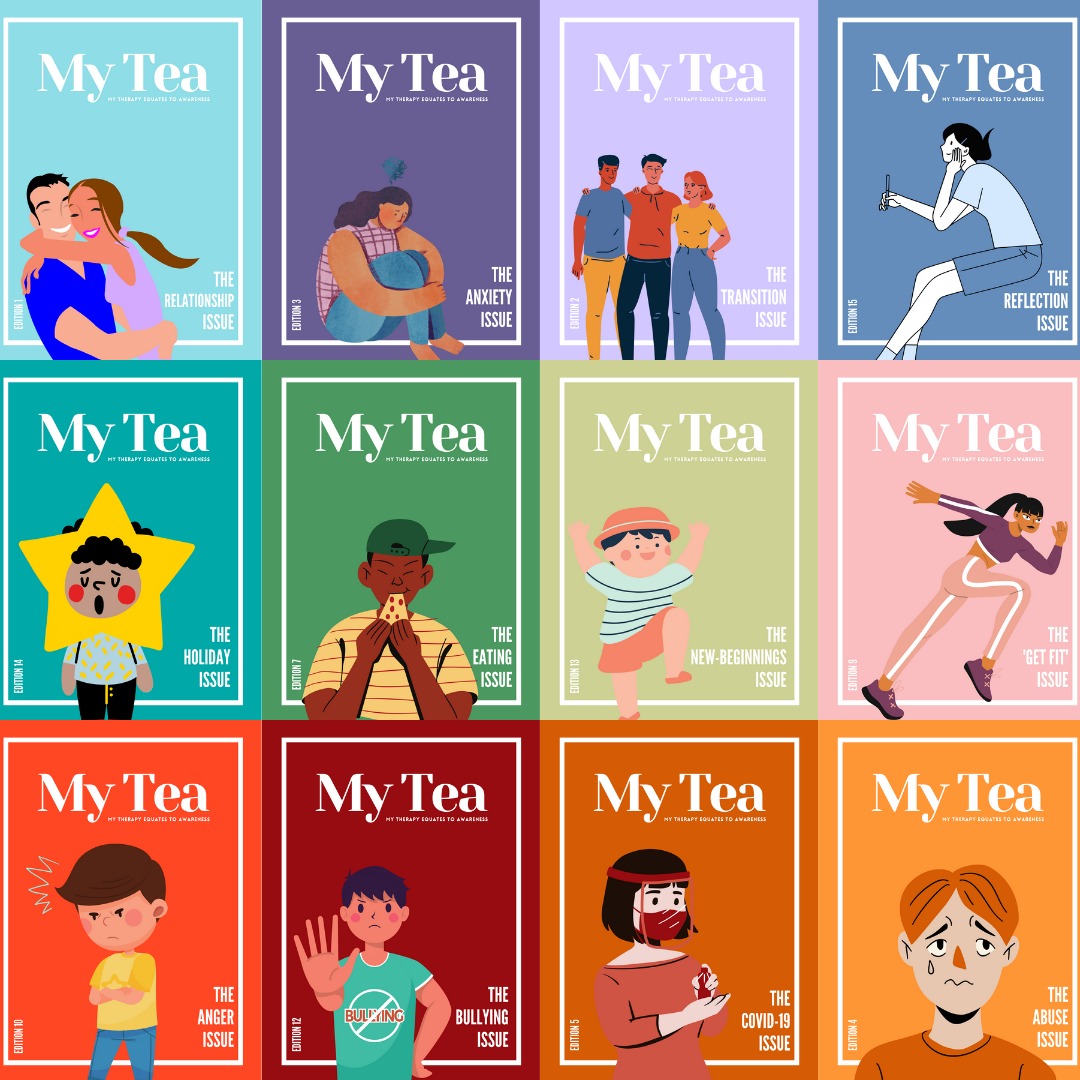
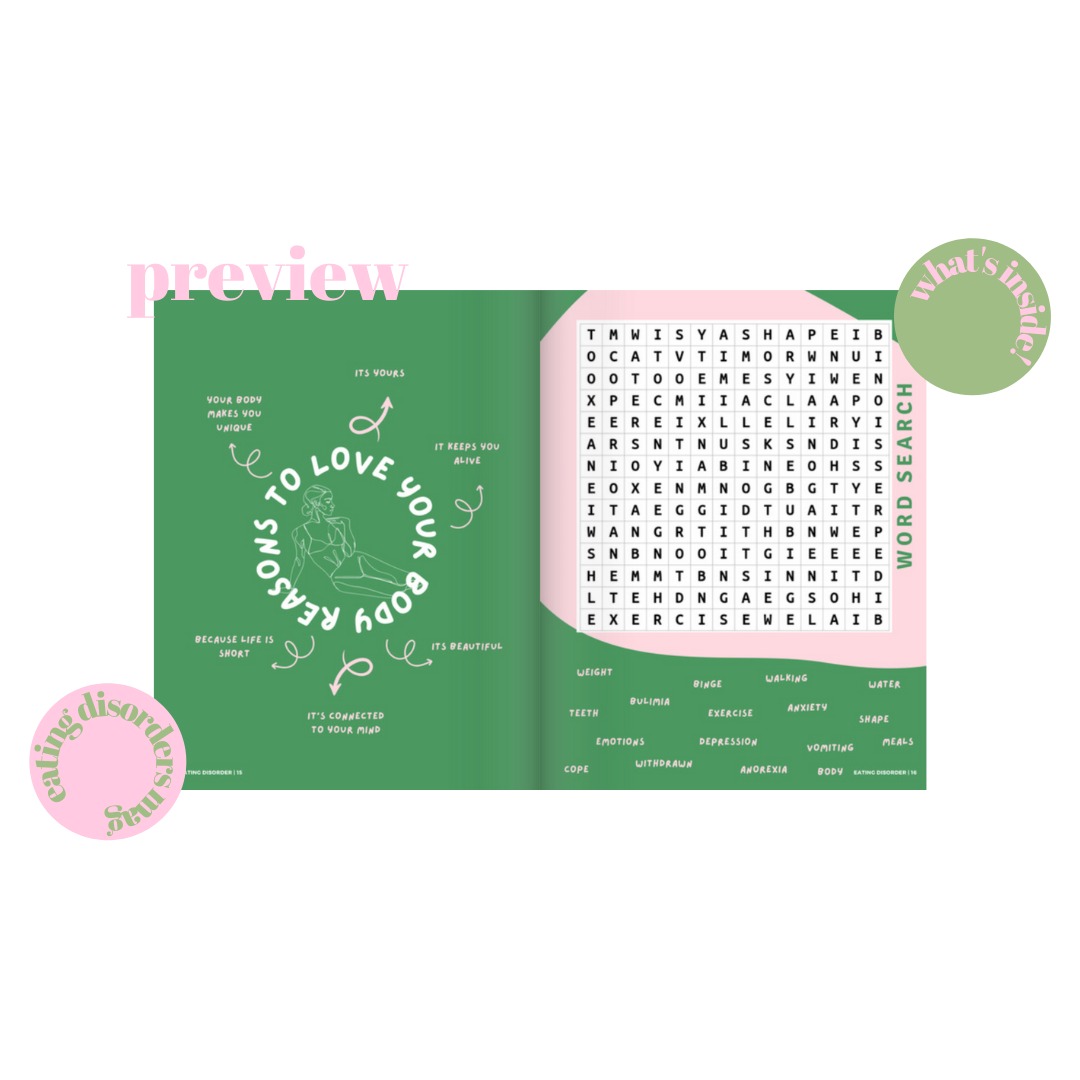
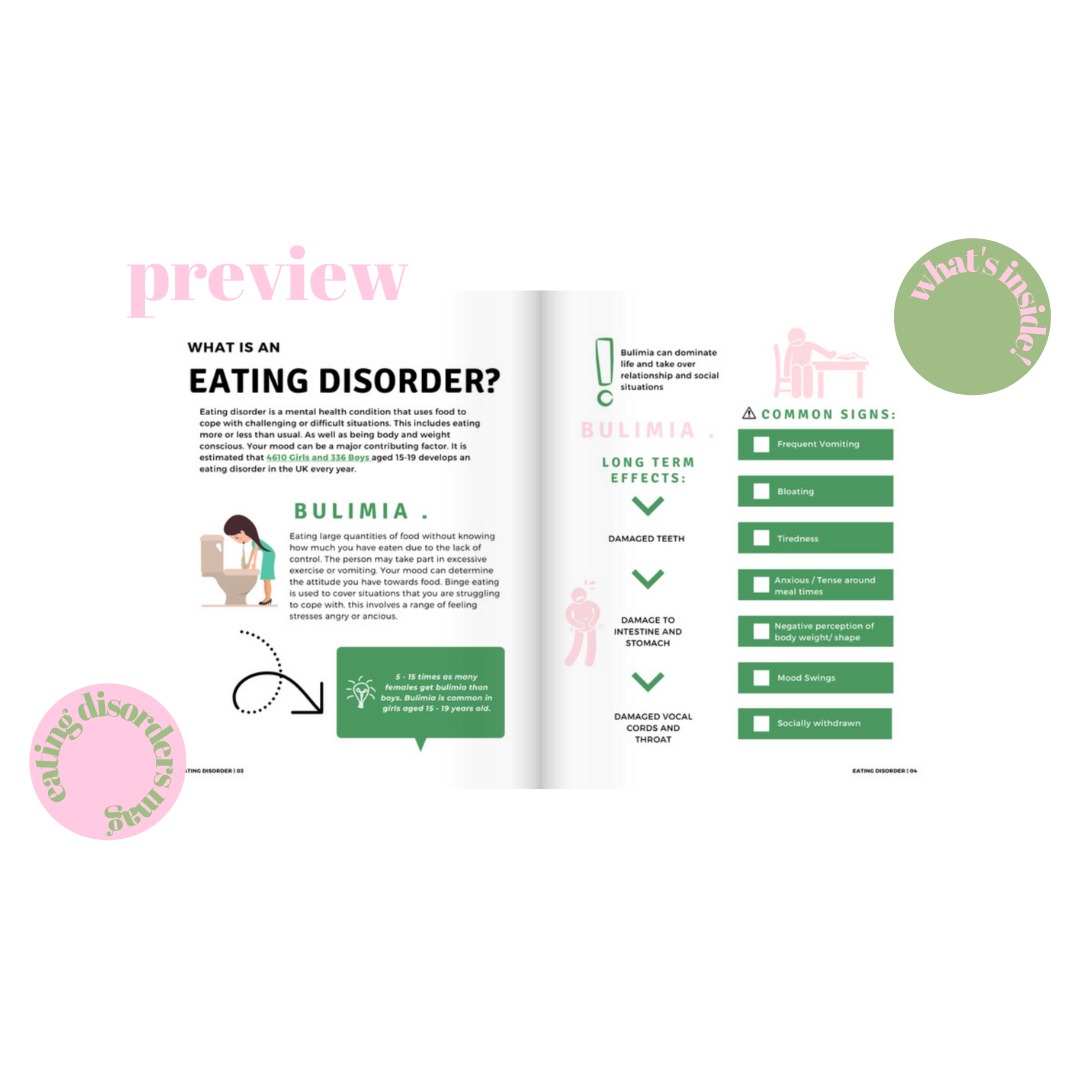
15 beautifully designed activity booklets — packed with mindfulness colouring, journalling, cooking, interactive activities and more. Purpose-built to help learning mentors open conversations about mental health with children and young people.
15 topics covered:
Each issue is themed around a specific mental health topic and filled with age-appropriate activities that spark conversation, build self-awareness, and reduce stigma.
Perfect for learning mentors, pastoral leads, and teachers to use in 1:1 sessions or small groups — no therapy training required.
Get all 15 booklets for your school. Available in print and digital formats. Contact us to enquire about bulk pricing.
Enquire now →We can deliver bespoke My Tea workshops in your school — facilitated by our trained counsellors and tailored to your students' needs.
Book a workshop →Where does your school stand on student mental health support? Rate each statement and get a personalised results report across all six THRIVE pillars — instantly.
Rate each statement: 0 (Never) → 4 (Always)
We have a clearly defined counselling and mental health strategy.
Senior leadership understands the role and impact of school counselling.
There is clear ownership of counselling provision (e.g. DSL / wellbeing lead).
Counselling is included in safeguarding and school improvement discussions.
Rate each statement: 0 (Never) → 4 (Always)
Students know what counselling support is available and how to access it.
There is a safe, confidential space available for counselling sessions.
Mental health support is normalised across the school.
Students feel comfortable seeking help without stigma.
Rate each statement: 0 (Never) → 4 (Always)
Staff know how to identify students who may need support.
There is a clear and consistent referral process into counselling.
Students can self-refer where appropriate.
Parents are appropriately involved and informed when needed.
Rate each statement: 0 (Never) → 4 (Always)
Students are taught about mental health and when to seek support.
PSHE / wellbeing lessons link directly to available counselling support.
Staff reinforce help-seeking behaviours in the classroom.
Students understand what counselling is (and what it isn't).
Rate each statement: 0 (Never) → 4 (Always)
Students can access support within a reasonable timeframe.
There is a balance between early intervention and targeted support.
Counsellors are integrated into the wider school system (not isolated).
There is clarity on caseload, capacity, and delivery model.
Rate each statement: 0 (Never) → 4 (Always)
We track outcomes of counselling support (not just attendance).
Feedback is gathered from students accessing support.
Data is used to improve provision and identify trends.
Senior leadership receives regular updates on impact.
Free 30-minute consultation — no obligation. We'll talk through your needs and build the right package for you.
30 minutes, no obligation. We'll talk through your school's needs and build the right package for you.